
US-Canada Tariff Talks October 2026: What Global Buyers Need to Know
US-Canada Tariff Talks October 2026 have put North American trade policy back in focus. As Washington and Ottawa discuss possible tariff relief, international importers face new questions about landed costs, customs requirements, and supplier strategies. Explore the latest confirmed developments and practical steps buyers can take to manage trade policy uncertainty.
By Dang Duc Dung·Published
In this article
US-Canada Tariff Talks October 2026: What Global Buyers Need to Know
US-Canada Tariff Talks October 2026 have returned to the spotlight as Washington and Ottawa discuss possible relief from tariffs affecting cross-border trade. On October 26, Reuters reported that both governments were working toward a potential agreement involving steel and automobiles, while a separate U.S. proclamation is scheduled to modify duties on certain Canadian products from October 30.
For international importers and exporters, these developments raise important questions about tariff exposure, purchasing costs, supplier selection, and future sourcing strategies. Although negotiations are progressing, no final agreement on the reported tariff relief has been confirmed as of October 27.
US-Canada Tariff Talks October 2026: What Has Changed?
The latest US-Canada tariff discussions focus on reducing selected trade barriers between two closely connected North American economies. According to Reuters on October 26, negotiators are considering relief from U.S. Section 232 tariffs affecting Canadian steel and automobiles. Canadian Prime Minister Mark Carney has acknowledged some progress, but both governments still face disagreements over the terms of a potential agreement.
The renewed discussions follow the breakdown of earlier negotiations in August 2026.
At that time, disagreements over tariff treatment, including provisions covering medium- and heavy-duty vehicles, prevented the countries from reaching a comprehensive understanding.
The current discussions involve U.S. Commerce Secretary Howard Lutnick and Canada's minister responsible for Canada-U.S. trade, Dominic LeBlanc.
According to Reuters, a limited agreement could be possible before the U.S. midterm elections on November 3, although American negotiators are reportedly seeking further Canadian concessions.
Several important developments define the current situation:
- October 23: The White House issued a proclamation changing the scope of additional duties applied to certain Canadian products, with changes scheduled for October 30.
- October 26: Reuters reported renewed negotiations concerning steel and automotive tariffs.
- October 26: Prime Minister Mark Carney said discussions had intensified slightly without confirming a completed agreement.
- October 27: Businesses continued to face uncertainty over the outcome and scope of tariff negotiations.
The distinction between a proposed agreement and an enacted policy change is especially important for international purchasing decisions.
Sources: Reuters, October 26, 2026 and Associated Press, October 26, 2026.
Which US-Canada Tariffs Are Currently Under Discussion?
The negotiations reported in October 2026 primarily concern Section 232 tariffs on Canadian steel and automotive imports into the United States. These measures are separate from other additional duties introduced under different U.S. trade laws. Understanding the distinction is essential because the applicable tariff rate depends on the product, customs classification, country of origin, and relevant legal provisions.
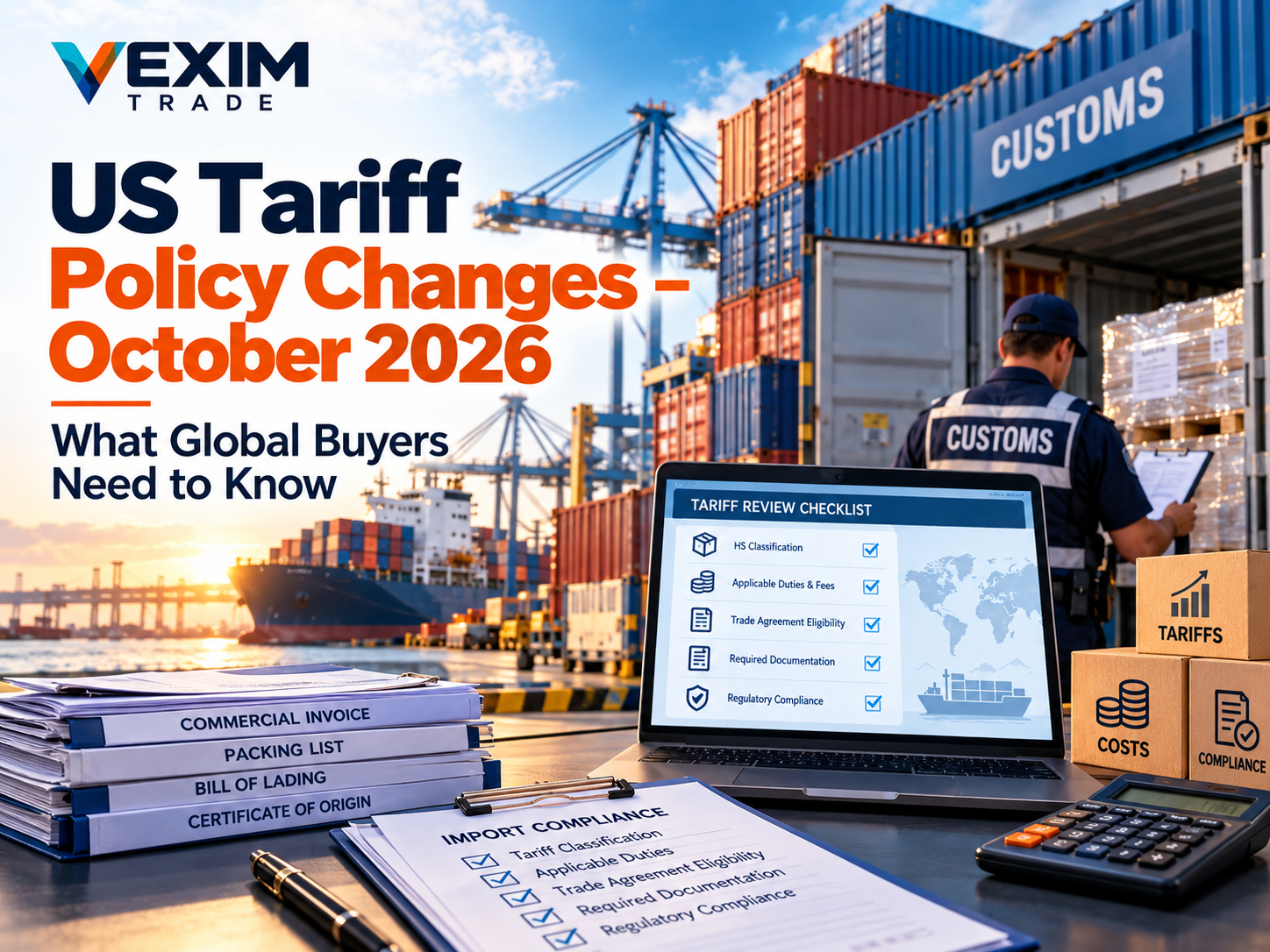
Reuters identified two major areas of discussion: duties of up to 50% on Canadian steel and a 25% tariff on automobiles.
However, these figures should not be interpreted as universal tariff rates for every shipment originating in Canada.
Overview of Key Tariff Developments
| Trade measure | Reported or announced status | Implication for businesses |
|---|---|---|
| Section 232 steel tariffs | Up to 50% on covered Canadian steel imports | Potential area for negotiated relief |
| Section 232 automotive tariffs | 25% on covered automotive imports | Subject to ongoing discussions |
| Additional Section 338 duties | 50% on specifically covered Canadian products | Scope changes effective October 30 |
| Potential future tariff increases | Higher tariffs threatened for January 2027 | Not a finalized outcome of the current talks |
Why does the distinction matter?
Different trade measures may apply to the same shipment, depending on the relevant legislation and product classification.
For example, the October 23 White House proclamation explicitly states that the additional Section 338 duties covered by the proclamation operate alongside applicable Section 232 duties.
Therefore, an exemption from one additional duty does not necessarily eliminate every other tariff that may apply.
Importers should confirm the applicable Harmonized Tariff Schedule of the United States (HTSUS) classification before calculating expected customs charges.
Sources: Reuters and U.S. International Trade Commission.
What Does the October 23 US Tariff Proclamation Change?
The October 23 U.S. proclamation modifies the product coverage of additional tariffs imposed under Section 338 of the Tariff Act of 1930. Beginning October 30, certain Canadian products listed in its annexes will no longer face the specified additional 50% duty, while other identified products will become subject to it. This is a targeted regulatory adjustment, not a general cancellation of U.S. tariffs on Canada.
The proclamation is significant because it demonstrates that tariff conditions can change through formal regulatory actions even while broader negotiations continue.
Importantly, the measure identifies products through detailed annexes rather than providing an exemption for all goods from Canada.
Businesses should therefore examine the relevant classifications instead of assuming that an entire industry is exempt.
The changes apply to qualifying goods entered for consumption, or withdrawn from warehouse for consumption, on or after 12:01 a.m. Eastern Time on October 30, 2026, unless subsequent action changes the rules.
For buyers with shipments scheduled around that date, customs entry timing and accurate documentation may become particularly important.
Source: The White House – Presidential Proclamation, October 23, 2026.
How Could US-Canada Trade Negotiations Affect International Buyers?
US-Canada trade negotiations could influence international buyers through changes in import costs, supplier competitiveness, and purchasing decisions. Any reduction in tariffs may improve cost conditions for qualifying transactions, while continued uncertainty can complicate long-term contracts and sourcing forecasts. The effects will depend on the final policy details, which products are covered, and how companies respond to changes in cross-border trade costs.
1. Changes in Total Landed Costs
Tariff changes can directly affect the total landed cost of imported goods, especially when additional duties represent a significant share of customs expenses. However, buyers should not estimate savings from proposed tariff relief until the final measure is published. Actual landed costs must also account for freight, insurance, customs fees, and other applicable taxes.
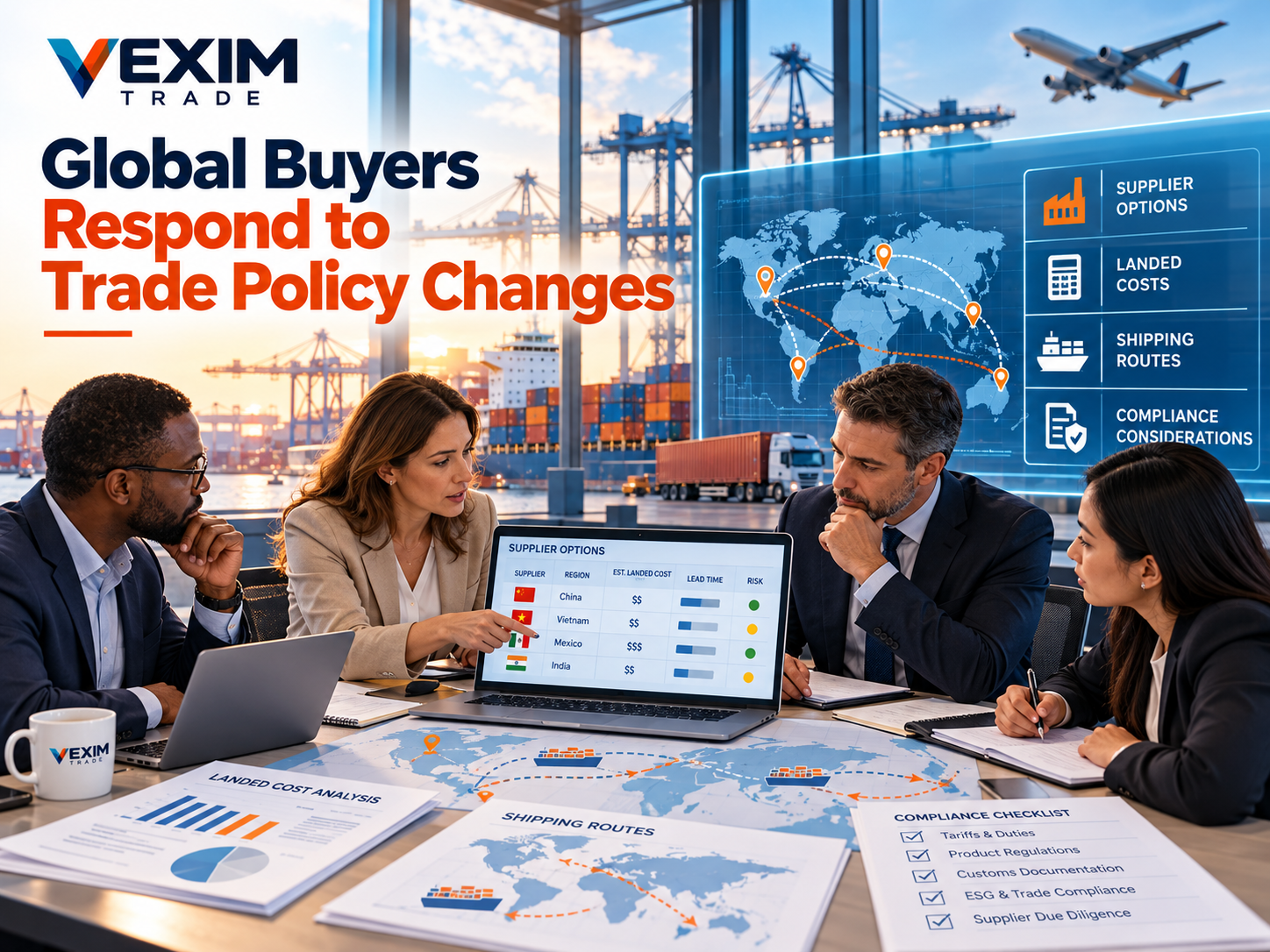
A practical cost review should include:
- Supplier quotation and agreed Incoterms.
- Correct customs value and HTS classification.
- Country-of-origin documentation.
- Applicable ordinary and additional duties.
- Transportation, insurance, and destination charges.
A company that compares only factory prices may overlook material differences in the final cost of importing products.
2. Contract and Shipment Planning
Uncertainty about tariff policy can complicate negotiations between buyers, suppliers, and logistics providers. Businesses placing orders in late October should clarify which party is responsible for import duties and how changes in government measures will be handled. Clear contract language can reduce disputes when tariff rules change between order confirmation and customs entry.
International purchasing agreements should specify delivery terms, payment responsibilities, estimated production schedules, and procedures for responding to regulatory changes.
For shipments affected by a pending policy change, buyers should also coordinate with licensed customs brokers and freight forwarders.
Businesses should avoid changing customs declarations or making artificial routing decisions simply to obtain a lower duty rate.
3. Supplier Diversification and Purchasing Flexibility
Changes in North American tariff policies may encourage some international buyers to reassess their supplier networks. Diversification can help businesses reduce dependency on individual suppliers or sourcing locations, but moving production does not automatically produce tariff savings. Importers must compare supplier capability, compliance, origin rules, delivery performance, and total costs before selecting alternative sourcing arrangements.
For buyers considering multiple international markets, the most important objective is not simply to find the lowest quoted price.
It is to establish a purchasing network capable of meeting quality requirements and delivering goods reliably under changing commercial conditions.
Could Changing Trade Policies Create Opportunities for Vietnamese Suppliers?
Changing international trade policies could create opportunities for Vietnamese suppliers when buyers decide to explore additional manufacturing or sourcing markets. However, a potential U.S.–Canada tariff agreement does not directly grant Vietnamese exports new trade preferences. Any opportunity depends on real buyer demand, competitive production capabilities, applicable U.S. import requirements, and the ability of suppliers to meet international purchasing standards.
Vietnam can be considered as part of a broader sourcing diversification strategy because it has established export-oriented manufacturing and trading sectors.
International buyers exploring Vietnamese suppliers should focus on practical business criteria, including:
- Production capabilities matching the required specifications.
- Reliable quality-control procedures.
- Competitive pricing under clearly defined delivery terms.
- Verifiable registration and business documentation.
- Experience preparing commercial export documents.
- Ability to provide accurate country-of-origin information.
Country of origin is particularly important. Merely routing products through Vietnam, changing packaging, or using a Vietnamese intermediary does not automatically make goods Vietnamese-origin for U.S. customs purposes.
Applicable country-of-origin rules must be assessed according to the actual production process and legal requirements.
For businesses planning to expand their supplier networks, VEXIM Trade provides a platform for exploring Vietnamese sourcing opportunities.
How Should Importers Evaluate Tariff Risks Before Placing New Orders?
Importers should evaluate tariff risks by checking customs classification, country of origin, entry dates, and all applicable duties before confirming new purchases. Market headlines are useful for identifying potential changes, but they do not replace official customs guidance. A structured verification process helps businesses avoid incorrect cost estimates, unexpected border charges, and contract disputes.
Step 1: Verify Product Classification and Country of Origin
Every U.S. import should be evaluated using its correct HTSUS classification and legally determined country of origin. Importers should request appropriate manufacturing documentation and verify whether additional tariff measures apply to the shipment. When classification or origin remains uncertain, a binding ruling from U.S. Customs and Border Protection may help establish the correct treatment for a prospective transaction.
Useful official resources include:
- U.S. International Trade Commission – Harmonized Tariff Schedule
- U.S. Customs and Border Protection – Binding Ruling Guidance
Step 2: Compare Costs Under Different Tariff Scenarios
Scenario planning helps importers understand how changes in tariffs could affect purchasing budgets. Instead of relying on a single assumed rate, companies can calculate landed costs using current duties and alternative rates supported by credible policy developments. These comparisons should be treated as planning scenarios, not predictions of what governments will ultimately decide.
| Scenario | Policy assumption | Recommended purchasing approach |
|---|---|---|
| Current rules | Existing applicable duties remain in place | Calculate costs under the current HTSUS |
| Partial agreement | Relief is introduced for selected products | Recalculate only qualifying transactions |
| No agreement | Trade restrictions continue | Preserve current cost assumptions and review alternatives |
| Additional restrictions | New measures affect certain imports | Reassess supplier contracts, entry timing, and compliance |
Buyers should update these scenarios whenever a formal policy change is published.
Step 3: Assess Supplier Reliability Beyond Price
Supplier selection should combine commercial analysis with documentation checks, production capacity assessment, and delivery-risk evaluation. A supplier offering a lower price may still create significant operational costs if quality, lead times, or export paperwork are unreliable. International buyers should apply consistent evaluation criteria across sourcing countries to support fair and defensible procurement decisions.
Important verification areas include business registration, manufacturing capabilities, certifications where relevant, production schedules, and previous export experience.
Companies should also confirm the supplier's ability to issue accurate invoices, packing lists, and necessary supporting documents.
Strong supplier verification helps purchasing teams make informed decisions even when trade policies remain uncertain.
What Should Global Importers Watch Before November 2026?
Global importers should monitor official U.S. tariff announcements, the implementation of the October 23 proclamation, and any confirmed outcome of the ongoing U.S.–Canada negotiations. The November 3 U.S. midterm elections provide important political context, but they are not themselves a customs deadline. Importers should distinguish confirmed legal changes from negotiation targets and political statements.
Key Dates and Developments
| Date | Event | Status as of October 27 |
|---|---|---|
| October 23, 2026 | U.S. proclamation modifying selected duties on Canada | Officially issued |
| October 26, 2026 | U.S.–Canada tariff discussions reported | Negotiations ongoing |
| October 30, 2026 | Scheduled implementation of selected duty changes | Announced effective date |
| November 3, 2026 | U.S. midterm elections | Upcoming political event |
| January 1, 2027 | Previously threatened higher Canadian steel and auto tariffs | Announced threat; final treatment subject to developments |
International buyers should prioritize official government notices and customs instructions when assessing the legal treatment of shipments.
A reported possible agreement should not be treated as an enacted tariff reduction.
Frequently Asked Questions About US-Canada Tariff Talks
The latest U.S.–Canada trade discussions have created practical questions for businesses involved in importing, exporting, and international procurement. Buyers need to understand which tariff changes are confirmed, whether existing duties still apply, and how to evaluate alternative suppliers. The following answers explain the main considerations using information available as of October 27, 2026.
1. Have the United States and Canada reached a new tariff agreement?
As of October 27, 2026, there has been no confirmed final agreement delivering the tariff relief described in the October 26 Reuters report. Discussions are underway, with both governments considering possible adjustments. Importers should continue applying current legal requirements and monitor official announcements before assuming any reduction in applicable duties.
2. Will US import tariffs on Canadian goods decrease in November 2026?
Some specified Canadian products will see changes in additional duties from October 30 under the October 23 proclamation, unless the measure is subsequently amended. However, broader tariff reductions involving steel and automobiles remain under negotiation. Businesses must check the relevant product classifications because relief for one category does not guarantee relief for others.
3. Could these negotiations affect suppliers outside Canada?
The negotiations may indirectly influence suppliers outside Canada by changing the relative costs of purchasing from different markets. However, such effects depend on buyer behavior and the final policy outcome. Suppliers in other countries do not automatically receive new tariff benefits simply because the United States and Canada negotiate trade relief.
4. How can international buyers reduce tariff-related sourcing risks?
Buyers can reduce exposure by verifying customs classification, confirming country of origin, comparing total landed costs, and reviewing supplier agreements. They should also maintain reliable alternative sourcing options where commercially justified. Qualified customs advisers can help assess specific transactions, particularly when multiple additional duties or recent policy changes may apply.
5. Can international buyers source products from Vietnam through VEXIM Trade?
International buyers can use VEXIM Trade as a starting point to explore Vietnamese sourcing opportunities and connect with potential suppliers. Before placing an order, businesses should verify that the supplier meets their technical, commercial, and documentation requirements. Customs compliance and any applicable tariff treatment must be assessed separately for each transaction.
Global Trade Outlook: What Comes Next After the October 2026 Talks?
The US-Canada Tariff Talks October 2026 illustrate how trade policy developments can influence procurement decisions beyond the countries directly involved. Although targeted tariff adjustments have been announced, the outcome of broader negotiations remains uncertain. International buyers should therefore avoid treating potential agreements as confirmed savings and instead prioritize reliable trade information, cost analysis, and flexible supplier relationships.
The coming weeks will be important for businesses evaluating North American sourcing conditions and reviewing their global purchasing plans.
Any confirmed agreement could change the cost competitiveness of certain suppliers, while continued disagreements may keep procurement uncertainty elevated.
For global traders, adaptability and compliance remain essential to successful international sourcing.
Explore International Sourcing Opportunities With VEXIM Trade
VEXIM Trade supports international businesses interested in exploring sourcing opportunities from Vietnam. As trade policies evolve, buyers may need to compare potential suppliers, evaluate manufacturing capabilities, and strengthen procurement planning. Access to accurate supplier information and clear purchasing requirements can help businesses make more informed sourcing decisions without relying on assumptions about future tariffs.
Whether your business is expanding its supplier network or researching new international trade opportunities, VEXIM Trade can serve as a starting point for exploring available options.
Find potential Vietnamese suppliers and explore new sourcing opportunities.
Connect with Vietnamese suppliers. Source with greater confidence.
References
- Reuters (October 26, 2026). US, Canada working on deal to ease steel, auto tariffs, sources say.
- Associated Press (October 26, 2026). Carney says Trump moving closer to Canada's trade demands.
- The White House (October 23, 2026). Proclamation modifying the scope of additional duties on certain Canadian products.
- U.S. International Trade Commission. Harmonized Tariff Schedule.
- U.S. Customs and Border Protection. How to Request a Binding Ruling.
Editorial cutoff: October 27, 2026. Trade policy and tariff treatment may change following official announcements. This article provides general market information, not transaction-specific customs or legal advice.
Sourcing request
Have a product in mind? Send us your brief.
We match it to a Vietnamese producer that fits, and tell you plainly when none does. A written reply by the start of your next business day.
Request a quoteRelated news
October 28, 2026
Vietnam Trade October 2026: $945 Billion and What Global Buyers Should KnowOctober 27, 2026
Global Shipping Costs Rise in October 2026October 28, 2026
Vietnam EFTA Free Trade Agreement 2026: New Opportunities for Global Buyers